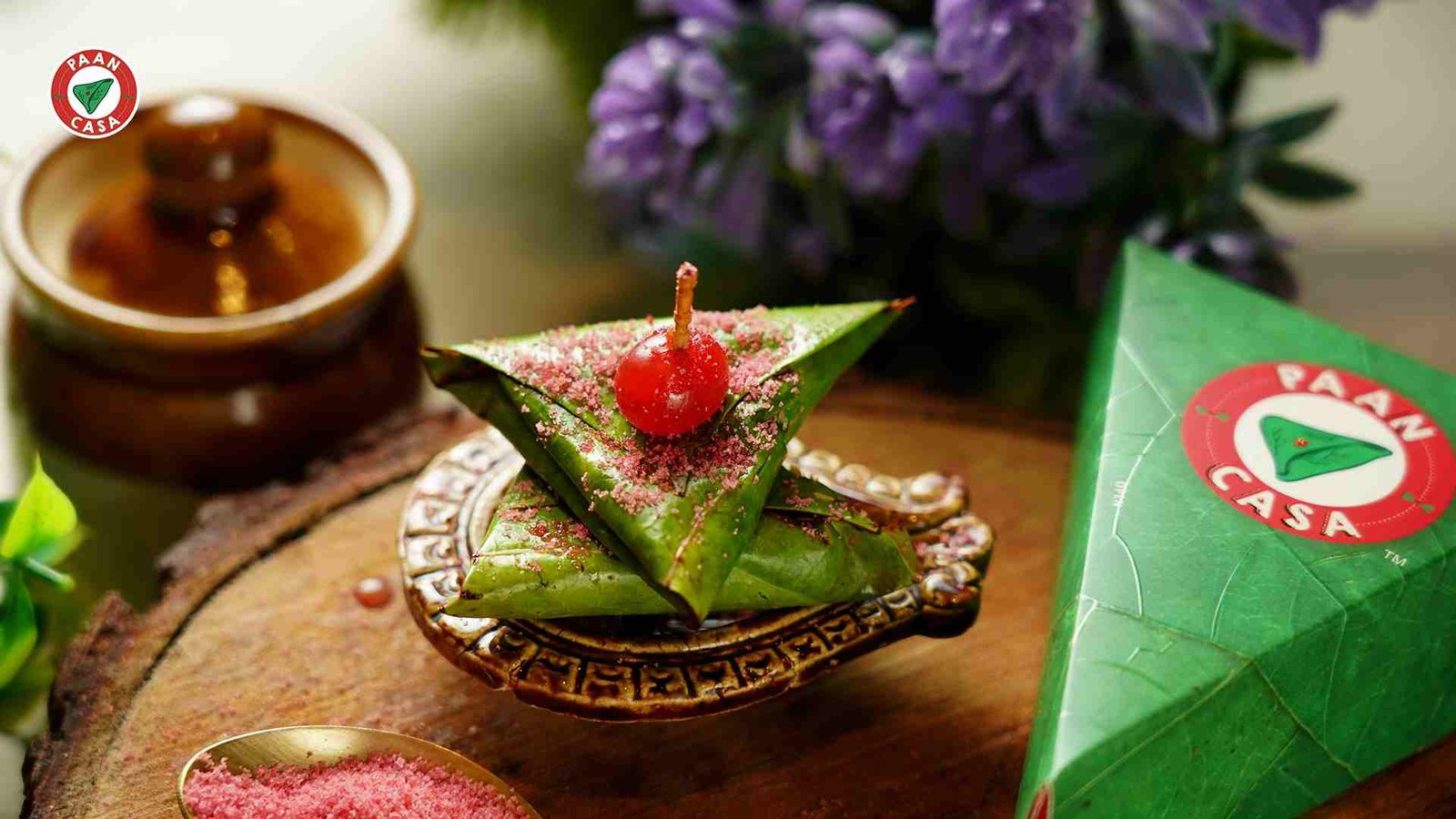
Paan has always been a symbolic part of the Indian lifestyle, representing hospitality, happiness, and social connection. Texts on the history of paan can be found in ancient Sanskrit writings and even during the Mughal era, when it was offered to guests as a gesture of honor and friendliness. Historically, paan has been an integral part of Indian festivals and rituals. Through the ages, paan has changed, expanding its role from being a traditional item to a gastronomic delight that can be enjoyed by people of all ages.
The Paan Cafe was conceptualized as a continuation of this rich cultural legacy. The role was not only to offer paan but also to maintain its genuineness and, at the same time, make it a place that is clean, inviting, and suitable for families and contemporary lifestyles. Such a place, where tradition and creativity exist side by side, was the beginning of this concept.
Recently, there has been a change in consumer tastes towards hygiene, transparency, and quality ingredients in making food. Research in the food and hospitality sector reveals that customers want cleanliness, standardized preparation, and good quality food as the most important factors while choosing specialty food outlets. Therefore, the old paan shops have now been made into clean and well-organized, reassembled establishments.
A Premium Paan Cafe not only concentrates on cleanliness but also on the quality of the raw materials, flavor retention, and providing consistent taste. Through the use of traditional recipes combined with modern methods of preparation, establishments can sustain cultural authenticity while satisfying the new generation’s requirements. This equilibrium is largely responsible for the new image of paan in the cities of today.
More and more families, alongside young consumers, are looking for a modern paan experience where they can be comfortable, in clean surroundings, and have a variety of options. Studies of the hospitality industry indicate that the ambience, the way products are presented, and the quality of service are what chiefly determine customer satisfaction and encourage them to come back again.
The plan of a Paan Cafe is to meet these requirements by having a wide selection of food items, having the preparation of food done in a standardized way, and having a welcoming environment. With this arrangement, customers are able to enjoy authentic tastes without having to compromise on safety or quality. Also, it is a way of preserving the cultural significance of paan even when the dining tastes of the present times are taken into account.
Even after modernization, the soul of paan is in its components and making. Getting the authentic paan taste that clients appreciate can only be achieved by the use of betel leaves, which are specially chosen, natural aromatics, and well-planned mixes. According to food safety specialists, the freshness of components and their hygienic handling directly affect flavor regularity and the trust of clients.
An efficiently run Premium Paan Cafe is very much alert to these details, guaranteeing that each paan given out is at the same level of involvement and creation. Such commitment further builds the trust of clients and keeps up the custom linked with paan.
The journey of paan changing from a cultural tradition to a gourmet delicacy is a reflection of the worldwide change in consumer desires and the increase in food quality standards. The Paan Cafe idea still influences people’s perception of paan by merging tradition, cleanliness, and creativity.
Paan Casa embodies this pledge through giving a modern paan experience based on excellent ingredients, clean preparation, and honoring the heritage, thereby guaranteeing that every customer has a paan experience in a relaxed and trustworthy place.