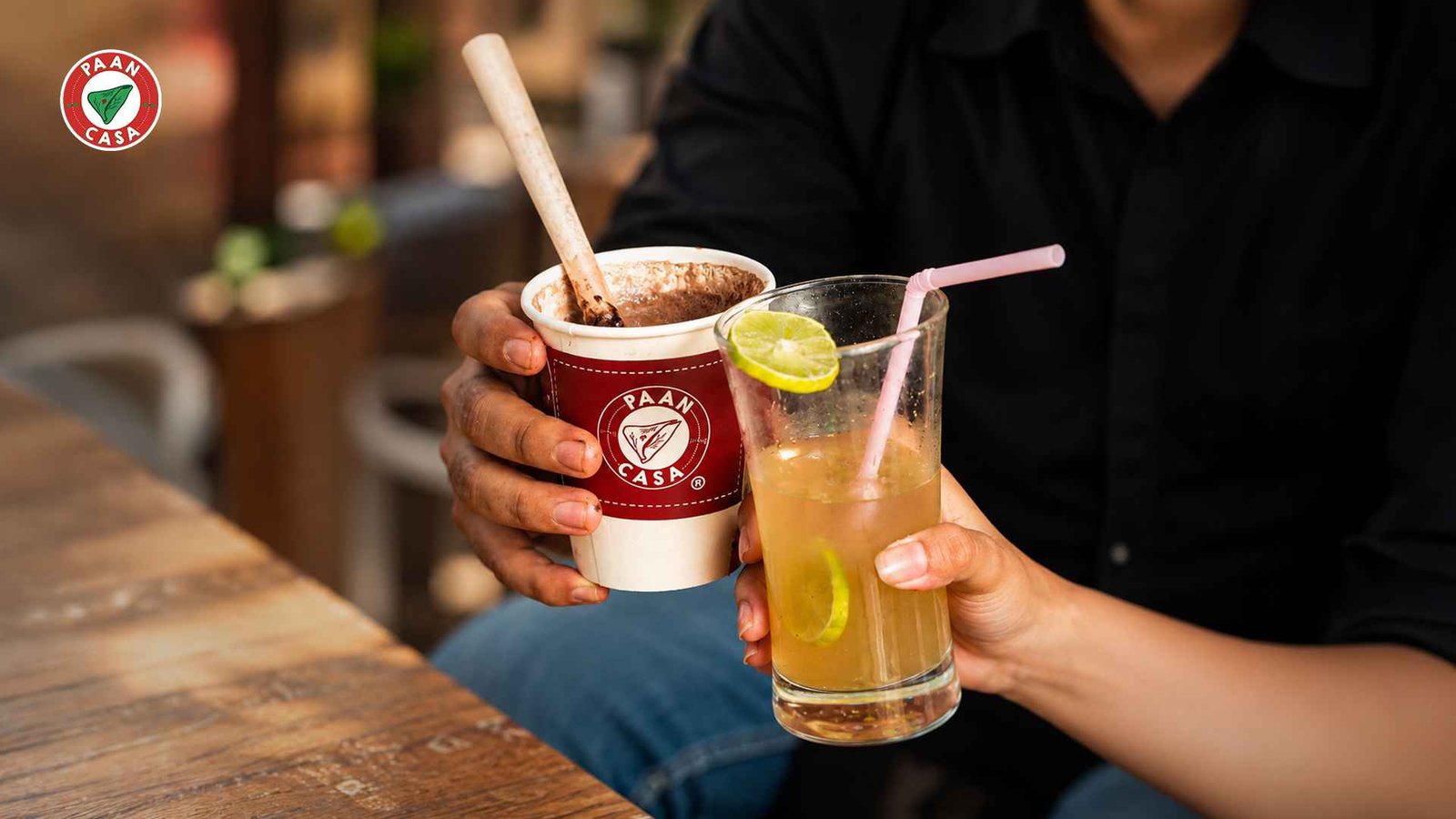
A dessert can attract customers to a café, but the right beverage can turn a single order into a complete dining experience. From fruit-based mocktails to mint coolers and paan-inspired drinks, beverages offer cafés another way to express creativity, complement desserts and encourage customers to stay longer.
For a modern Indian cafe, the drinks menu should do more than fill space on the menu card. It should reflect the brand’s personality, suit local tastes and give customers a reason to try something beyond their usual order.
The role of mocktails extends beyond refreshment. A thoughtfully prepared mocktail balances sweetness, acidity, aroma and texture, making it a useful companion to rich desserts and flavourful paan varieties.
For example, a citrus-based drink can cut through the sweetness of a creamy dessert, while mint and cucumber offer a refreshing contrast to stronger flavours. A modern Indian cafe can use ingredients such as kokum, aam panna, rose, jaljeera and seasonal fruits to create beverages that feel familiar yet contemporary.
The key is balance. If both the dessert and the drink are heavily sweetened, customers may find the combination overwhelming. Offering different sweetness levels and clearly describing ingredients can help people choose more confidently.
Statista’s overview of the Indian beverage market reports that revenue from non-alcoholic beverages was approximately US$17.58 billion in 2024, with forecasts extending to 2029. Its research also highlights changing preferences, including interest in functional drinks and beverages with low or zero sugar.
For café owners, this points to an opportunity to offer variety without making every drink syrup-heavy. Fresh citrus, herbs, seasonal fruit and controlled sweetness can broaden the menu while responding to customers who want more choice.
A famous paan cafe in Banswara can apply this thinking by pairing traditional paan flavours with refreshing drinks suited to the local climate and customer preferences.
A beverage menu works best when customers can easily understand what goes well together. Instead of offering dozens of unrelated drinks, cafés can develop a few pairings that complement their most popular desserts and paan creations.
For a premium paan destination, this could mean pairing rose-based paan with a light citrus cooler or offering a mint mocktail alongside a rich chocolate dessert. The role of mocktails here is to balance flavour, add variety and make the overall order feel thoughtfully designed.
A famous paan cafe in Banswara can also introduce seasonal drinks based on local weather. During warmer months, chilled lemon, mint and fruit-based beverages may appeal to customers seeking refreshment. Limited-time options allow the café to test demand before adding a drink permanently.
A modern Indian cafe needs a consistent approach to drink development. Each beverage should have a standard recipe, measured ingredients, a defined serving size and a repeatable presentation. This reduces variations between orders and helps the team manage costs.
The role of mocktails becomes particularly important when drinks are visually distinctive and easy to recommend. However, presentation should not come at the expense of taste or service speed. Complicated garnishes and too many ingredients can increase preparation time and waste.
A premium paan destination can build recognition through a small selection of signature beverages rather than an oversized menu. Naming drinks clearly, describing their main flavours and displaying them alongside suitable desserts can make ordering easier.
For a famous paan cafe in Banswara, tracking sales by drink, time of day and food pairing can reveal which combinations customers prefer. This evidence is more useful than keeping a beverage simply because it looks attractive on social media.
Cafés are often chosen as places to catch up with friends, celebrate small occasions or spend time with family. A modern Indian cafe can support these occasions with shareable beverage options, non-alcoholic choices for different age groups and comfortable seating.
The future of social dining will be shaped not only by what people eat but also by how the overall experience brings them together. A well-planned drink menu can support that experience without distracting from the café’s main identity.
For a premium paan destination, beverages can also introduce new customers to the brand. Someone who visits for a mocktail may later explore paan varieties or desserts, creating opportunities to increase repeat visits through a broader menu.
Café owners should evaluate each drink against three practical measures: customer demand, ingredient cost and preparation time. Drinks that sell consistently and complement popular menu items deserve priority, while underperforming options can be adjusted or removed.
Entrepreneurs looking to own a franchise should also check whether beverage recipes, ingredient sourcing and staff training can be standardised across locations. A strong menu needs to work reliably during busy periods, not just during a quiet tasting session.
Mocktails and beverages can add flavour, variety and personality to modern dessert cafés. When paired carefully with desserts and paan, they can strengthen the menu, create memorable combinations and encourage customers to return.
Paan Casa brings traditional paan culture into a contemporary café setting, where refreshing beverages and distinctive flavours can complement the overall experience.
Want to explore the Paan Casa experience? Contact us today to learn more.