India’s Tier 2 and Tier 3 cities are experiencing rapid economic and lifestyle changes. Increasing disposable income, expanding retail infrastructure, and growing exposure to modern dining culture are reshaping consumer behavior in these regions. According to Statista, India’s café and quick-service restaurant market continues to grow steadily as consumers across smaller cities increasingly spend on organized food and beverage experiences.
This shift has created strong opportunities for businesses that combine affordability with modern presentation. The rise of the premium paan destination reflects how traditional Indian refreshment culture is adapting successfully to changing customer expectations beyond major metropolitan areas.
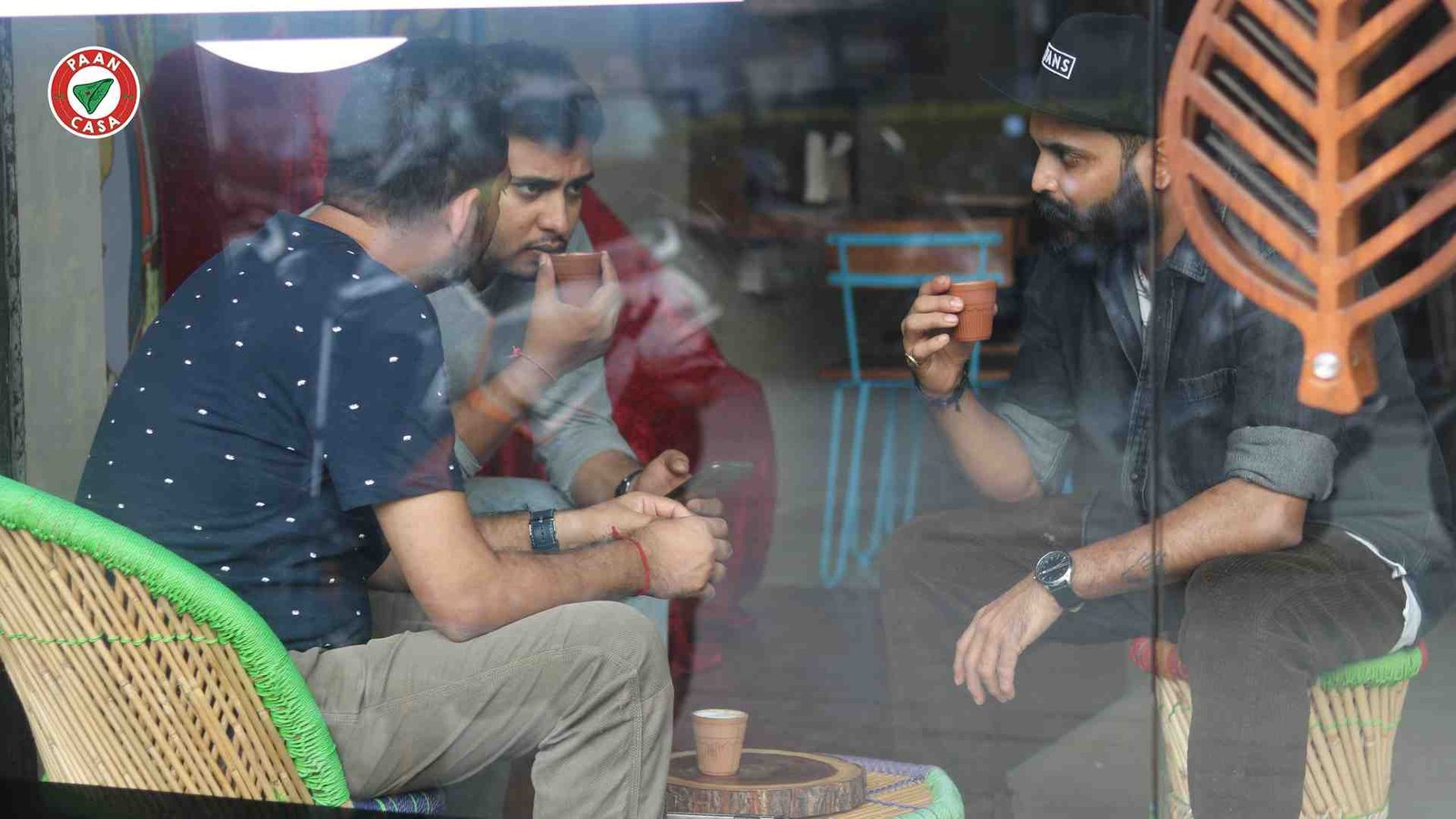
Consumers in Tier 2 and Tier 3 cities often value familiarity while also seeking modern experiences. Businesses that successfully balance traditional products with contemporary environments tend to attract strong customer interest. A professionally managed paan café offers this balance by combining recognizable flavors with organized service and comfortable seating.
The appeal of the modern paan experience comes from its ability to modernize a culturally familiar product without losing its traditional identity. Customers enjoy the convenience of visiting a well-maintained café while still connecting with flavors they already know and trust.
Compared to large metropolitan areas, smaller cities often have fewer organized café-style refreshment outlets. This creates opportunities for brands that can introduce structured operations and consistent customer experiences before the market becomes overcrowded.
A successful premium paan destination can stand out quickly in these regions because customers are increasingly drawn toward businesses that offer cleanliness, ambience, and reliable quality. The growing popularity of café culture in smaller cities also supports repeat customer behavior, especially among younger consumers and families.
One reason café-based models work well in developing markets is their manageable operational structure. Compared to full-service restaurants, paan cafés generally require lower setup complexity, smaller teams, and more focused inventory management.
For entrepreneurs looking to own a franchise, this creates a more approachable entry point into the hospitality sector. A café model centered around the modern paan experience can operate efficiently while still delivering strong visual appeal and customer engagement. This balance makes expansion into emerging city markets more practical and scalable.
Hospitality studies consistently show that customer experience strongly influences repeat visits and brand loyalty. Organized interiors, comfortable seating, and quality-focused preparation standards help businesses establish trust and recognition within local communities.
The success of a premium paan destination depends not only on product quality but also on how customers feel during their visit. The ability to provide a clean, welcoming, and socially engaging environment is one reason why the modern paan experience continues to gain traction in smaller Indian cities.
Tier 2 and Tier 3 cities are becoming increasingly important growth markets for organized café and refreshment businesses. Consumers in these regions are actively seeking modern experiences that still maintain cultural familiarity and affordability. Businesses that successfully combine these elements are well-positioned for long-term expansion.
Paan Casa continues to support this evolving market by creating organized café environments, maintaining consistent preparation standards, and offering customers a refined paan experience that blends traditional flavors with modern hospitality expectations.