India’s food and beverage industry has evolved rapidly as customers increasingly prefer organized and experience-driven dining spaces. According to Statista, the café and quick-service restaurant market in India continues to expand due to changing lifestyle habits, urbanization, and rising consumer spending on social dining experiences. Customers today are not only purchasing products but also choosing environments that feel comfortable, safe, and welcoming.
This shift has created opportunities for businesses that modernize traditional concepts while maintaining cultural familiarity. The growth of the luxury paan cafe reflects how customer preferences are moving toward cleaner, family-oriented spaces instead of basic roadside stalls.
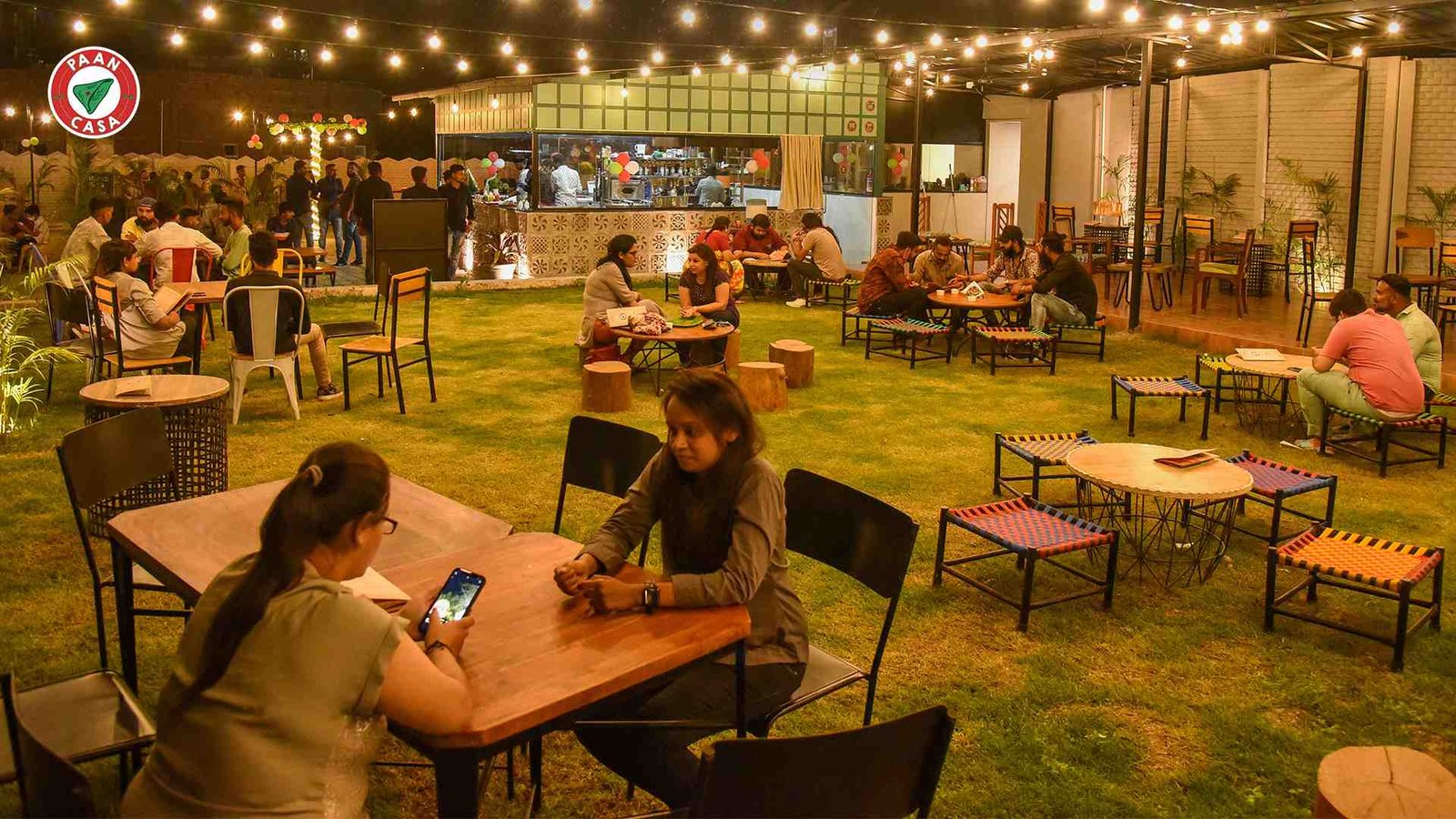
Traditional paan stalls have long been a part of Indian street culture, but they often cater to quick transactions rather than extended visits. In contrast, a family-focused café model encourages customers to spend more time enjoying the environment. Comfortable seating, proper lighting, and organized interiors make these spaces more appealing to a broader audience.
A professionally managed luxury paan cafe creates a welcoming atmosphere where families, young professionals, and groups of friends can comfortably gather. This wider customer appeal gives franchise operators an advantage over traditional stalls that may struggle to attract family audiences consistently.
Consumer awareness regarding food safety has increased significantly over the last decade. Hospitality studies consistently show that customers are more likely to trust and revisit businesses that visibly maintain cleanliness and organized preparation practices.
This is where hygienic paan preparation becomes a major differentiator. Customers increasingly prefer businesses that demonstrate careful ingredient handling, clean serving methods, and structured food preparation systems. A luxury paan cafe that prioritizes hygiene builds stronger customer confidence and encourages repeat visits, especially among families and younger consumers.
Modern café culture has changed how people interact with food businesses. Customers now view cafés as social spaces where they can relax, meet friends, or spend time with family rather than simply purchase refreshments.
The structured environment of a luxury paan cafe supports this shift by offering a more refined and comfortable customer experience. Unlike traditional stalls that focus mainly on speed, café-based formats encourage longer visits and stronger emotional connections with the brand. Consistent hygienic paan preparation also reinforces the perception of professionalism and reliability.
Many entrepreneurs interested in hospitality businesses prefer organized franchise systems because they provide operational support and established brand structures. For individuals looking to own a franchise, café-based models often offer clearer operational processes and stronger long-term scalability than informal independent setups.
The ability to maintain consistent hygienic paan preparation across multiple outlets is especially important in franchise businesses. Standardized operations help ensure that customers receive the same quality and experience regardless of location, strengthening customer trust and brand recognition over time.
Customer loyalty in the hospitality industry is increasingly driven by comfort, trust, and overall experience. Businesses that combine traditional products with modern hospitality standards are more likely to stand out in competitive markets.
The success of the luxury paan cafe model comes from its ability to provide both cultural familiarity and contemporary customer expectations. Families appreciate spaces that feel welcoming and professionally managed, while customers value consistency in quality and cleanliness.
The family-friendly café format offers clear advantages over traditional paan stalls by combining comfort, hygiene, and organized customer experiences within a modern hospitality setting. Businesses that successfully meet these expectations are better positioned to attract broader audiences and build long-term customer loyalty.
Paan Casa continues to strengthen this approach by maintaining high hygiene standards, creating welcoming café environments, and offering customers a refined paan experience that blends traditional flavors with the professionalism and comfort of a modern café space.