Paan has traditionally been associated with a quick purchase after a meal. But the category is changing. Customers are increasingly interested in places that offer atmosphere, presentation, and a reason to spend time, not simply a product to take away. This is where experiential hospitality is giving paan cafés a new role within India’s evolving food-service landscape.
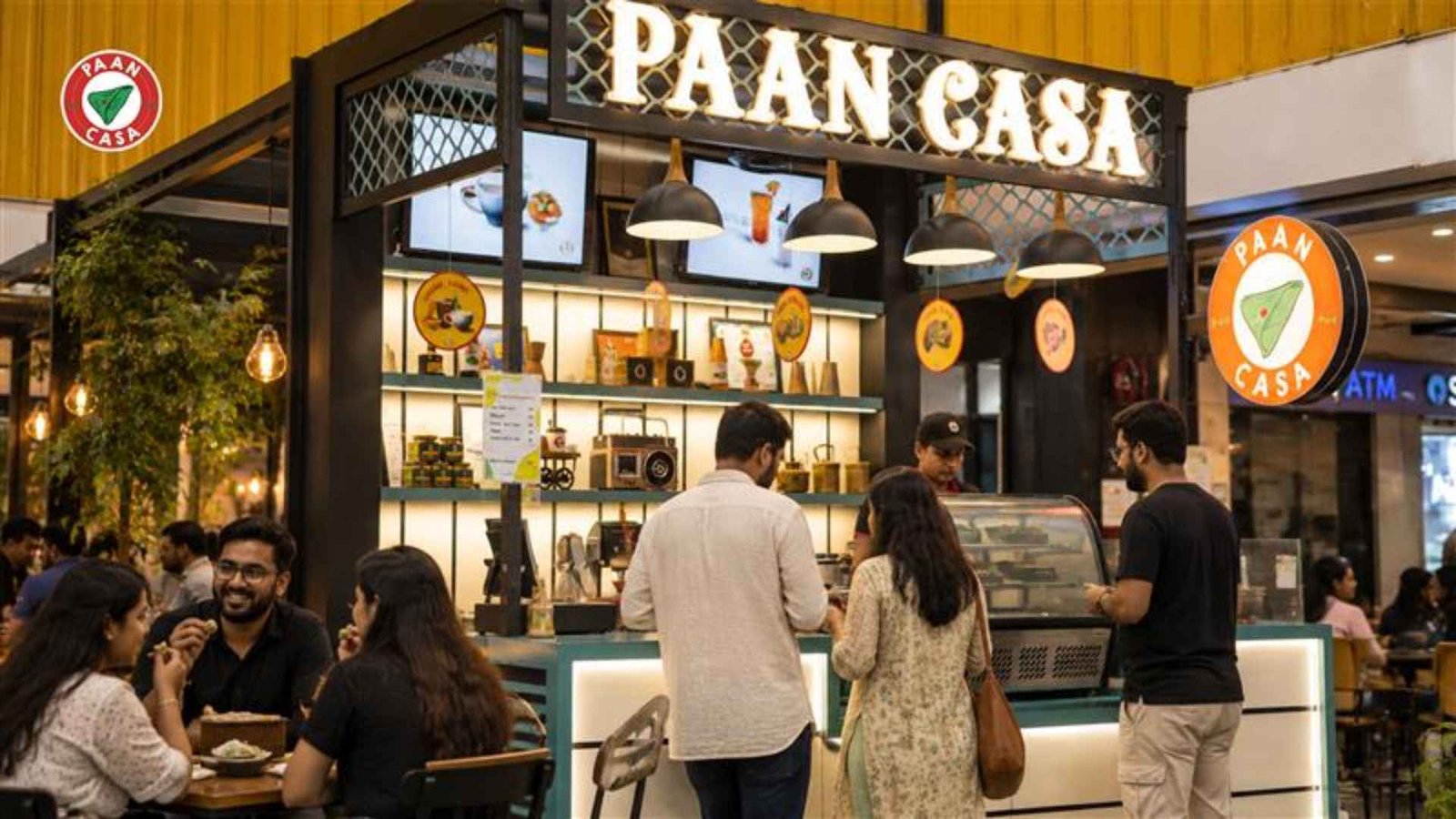
The traditional paan counter focused on speed and familiarity. Today’s the paan cafe can offer something broader: signature flavours, contemporary interiors, comfortable seating and an environment designed for conversation.
Recent coverage of India’s food trends notes that paan is evolving from a traditional post-meal staple into a more experiential product, with younger consumers showing interest in variety, personalisation and novel flavour combinations.
This change is central to experiential hospitality. Customers are not necessarily abandoning traditional paan; they are discovering new ways to enjoy it.
A successful the paan cafe concept brings several elements together. The product remains important, but the surroundings influence how customers remember the visit.
A strong experience can include:
For a famous paan cafe in Banswara, these details can help transform a familiar local product into a destination customers deliberately choose.
The wider Indian food-service industry is becoming increasingly organised. Statista reports that the organised segment represented 47% of India’s food-service market in 2024, while the unorganised segment accounted for 53%. Statista also identifies QSRs as the largest category of food-service establishments, with a 32.6% share in 2025.
Statista’s current QSR research also highlights urbanisation, rising disposable incomes and increasing penetration in tier-2 and tier-3 cities as factors supporting expansion. At the same time, maintaining consistent taste and quality across locations remains a challenge for expanding brands.
For the paan cafe, this creates an important opportunity: build an organised concept without losing the cultural familiarity that makes paan distinctive.
A customer might try a paan once because they are curious. They return when the overall experience gives them another reason to visit.
A clean paan cafe can build confidence through visible hygiene, organised counters and professional service. A famous paan cafe in Banswara can strengthen this further by developing signature products and a recognisable atmosphere.
This is also connected to the future of social dining. Cafés are increasingly functioning as community spaces rather than places used only for eating. Statista specifically notes that cafés can serve as community spaces and work hubs for urban consumers.
The challenge for any growing food concept is maintaining the same experience as it expands. Entrepreneurs looking to own a franchise need more than a popular menu item. They need standardised recipes, sourcing processes, service guidelines, hygiene systems and a recognisable store identity.
For a famous paan cafe in Banswara, establishing these systems can create a foundation for growth while protecting the qualities that customers already associate with the brand.
The strongest form of experiential hospitality therefore combines creativity with consistency. A beautiful interior cannot compensate for inconsistent products, while a great product may struggle to stand out without a memorable environment.
The expansion of paan cafés reflects a broader transformation in Indian food culture. Customers increasingly want products that come with an experience, and experiential hospitality gives traditional paan a way to respond to that demand without losing its identity.
Paan Casa brings this approach together by transforming the paan cafe into a contemporary destination built around flavour, ambience, cleanliness and social connection.
As India’s organised food-service industry continues to develop, experience-led concepts can give traditional categories new relevance and new reasons for customers to return.
Want to explore the Paan Casa concept or franchise opportunity? Contact us today to learn more.