Choosing a cafe location is not simply about finding a busy street or an attractive shopping complex. The real challenge is finding a place where the right customers visit regularly, the rent supports profitability, and the concept fits local spending habits. The perfect location for a cafe depends on what you serve, how customers use your space, and whether your business can turn passing footfall into repeat visits.
For a paan café, location matters even more because customers may visit after meals, during evening outings, while shopping, or when meeting friends.
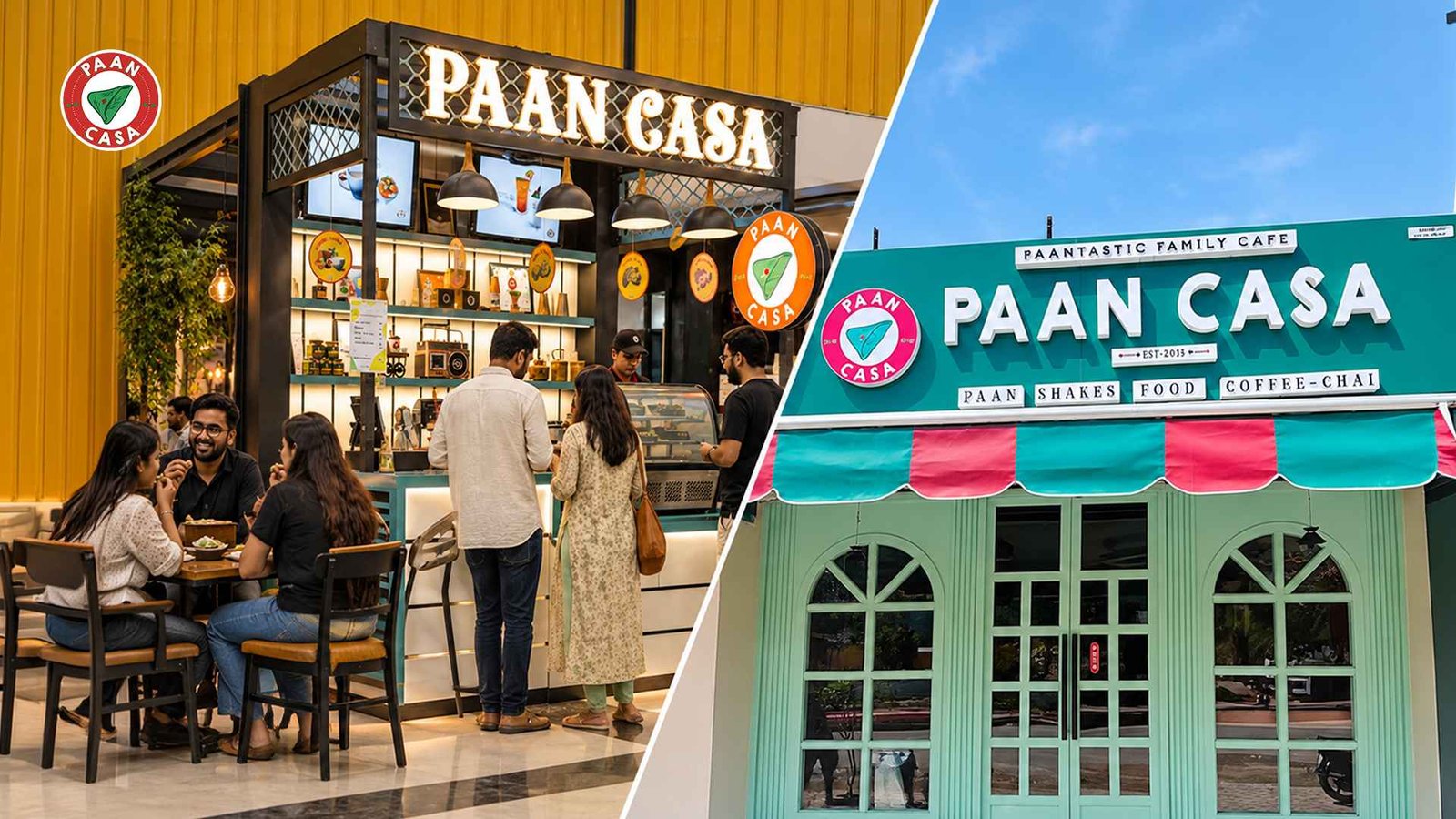
Malls attract shoppers, families and groups looking for entertainment, food and leisure. They can suit a luxury paan cafe that focuses on presentation, contemporary interiors and premium products. Customers already spending time in a mall may be interested in trying artisanal paan creations as a dessert or an after-meal treat.
However, mall locations often involve higher rentals, maintenance charges and operating restrictions. Before choosing one, examine the footfall near the proposed unit rather than relying only on the mall’s total visitor count. A kiosk near the cinema exit or dining area may attract a different audience from a store tucked away on an upper floor.
High streets can be particularly attractive for businesses that depend on neighbourhood customers and everyday convenience. A perfect location for a cafe on a visible road near restaurants, offices, residential areas or popular evening hangouts may generate repeat business without requiring customers to plan a special shopping trip.
For a best paan cafe in Banswara, a high-street location could work well if it offers easy access, clear signage, convenient parking nearby and strong evening activity. Visit the area at different times, especially after dinner and on weekends, to understand when potential customers are actually present.
A luxury paan cafe on a high street should also assess the surrounding businesses. Complementary restaurants and dessert outlets may support customer discovery, while direct competitors can reveal whether demand is already strong or the market is crowded.
Food courts offer access to customers who are already considering what to eat. They may suit a compact concept with efficient service, a focused menu and products that customers can order without a long wait.
For a best paan cafe in Banswara, a food-court-style setup may be worth considering in a shopping centre or entertainment destination where customers want a quick post-meal option. Yet shared footfall does not guarantee sales. The visibility of the counter, queue length, neighbouring food options and the time needed to prepare each order all influence conversion.
A perfect location for a cafe in a food court should provide enough space for clear menu displays and smooth customer movement. Artisanal paan creations can help differentiate the offering, but the menu must remain practical for busy periods.
According to Statista’s Restaurant Industry in India overview, the organised segment accounted for 47% of India’s food-service market in 2024, while the unorganised segment accounted for 53%. Statista also reports that quick-service restaurants represented 32.6% of food-service establishments in India in 2025. These figures highlight the importance of understanding both organised retail destinations and local, convenience-led demand.
Before committing to a site, conduct a simple location audit:
For a best paan cafe in Banswara, local observation is especially important. A site that looks quiet in the afternoon may become a strong evening destination, so one short visit is not enough.
A luxury paan cafe needs an environment that supports its pricing and presentation. A compact outlet may prioritise takeaway speed, while a destination-style café may need seating and a more relaxed atmosphere. Artisanal paan creations can add appeal, but their success still depends on accessibility, consistent quality and suitable customer demand.
The future of social dining will depend partly on how food businesses create experiences people want to share, not just products they want to purchase. A perfect location for a cafe should therefore support the brand’s customer experience as well as its financial goals.
For entrepreneurs planning to own a franchise, comparing actual footfall, operating costs and local demand is more useful than choosing a location based on prestige alone.
There is no single winning format for every café. Malls can provide visibility and premium positioning, high streets can encourage repeat neighbourhood visits, and food courts can deliver convenient access to hungry customers. The best decision comes from matching the location with the brand, customer behaviour and realistic operating costs.
Paan Casa reflects the appeal of combining traditional paan culture with a contemporary café experience. Whether evaluating a luxury paan cafe or planning a neighbourhood outlet, careful location research can help build a stronger foundation for long-term growth.
Ready to explore opportunities with Paan Casa? Contact us today to learn more.