Consumer habits have evolved considerably over the past decade. People no longer visit food outlets solely to purchase products. Instead, they increasingly seek places where they can meet friends, spend time with family, and engage with their local community. This shift has enabled the paan cafe franchise model to develop from a simple refreshment business into a valued neighbourhood gathering space.
According to Statista, India’s café and casual dining market continues to expand steadily as consumers spend more on social dining experiences and community-oriented venues. This trend has created opportunities for businesses that combine traditional products with contemporary hospitality concepts.
Urban sociologists often refer to successful community spaces as “third places”, locations outside the home and workplace where people regularly gather. Research suggests that these spaces contribute to stronger social connections, increased customer loyalty, and greater community engagement.
An authentic paan cafe naturally aligns with this concept because it offers a familiar cultural product within a comfortable and welcoming environment. Rather than functioning solely as a quick stop, it becomes a place where conversations take place, friendships develop, and local connections flourish.
This community-focused approach is one of the reasons the paan cafe franchise model has attracted growing interest from entrepreneurs seeking sustainable business opportunities.
The increasing popularity of cafés is closely linked to changing consumer behaviour. Hospitality research has consistently shown that customers are willing to spend more time and money in establishments that provide ambience, comfort, and social value.
The appeal of the modern paan experience extends beyond the product itself. Customers appreciate venues where they can relax, interact with others, and step away from the demands of daily life. A professionally managed, authentic paan cafe creates an environment that supports these expectations while preserving cultural authenticity.
One of the strongest advantages of the paan cafe franchise model is its ability to encourage repeat visits. Consumer psychology studies consistently indicate that people return to businesses where they feel emotionally connected.
Local events, meaningful customer interactions, and a welcoming atmosphere help transform a café into a recognised community landmark. The modern paan experience becomes part of customers’ routines, whether they are visiting after work, meeting friends at the weekend, or spending quality time with family.
This emotional connection is difficult for traditional refreshment outlets to replicate because they are generally focused on transactions rather than experiences.
Many entrepreneurs choose to own a franchise because they want a business that benefits from strong customer retention and consistent footfall. Community-focused businesses often perform well because they become integrated into the daily lives of residents.
A successful authentic paan cafe creates value beyond its menu by becoming a trusted destination within the neighbourhood. The combination of community engagement, dependable service, and the modern paan experience helps strengthen customer loyalty over time.
As a result, the paan cafe franchise model is well-positioned to benefit from the increasing demand for experience-led businesses across both urban centres and emerging markets.
The most successful food businesses today are those that create meaningful connections with their customers. By serving as social gathering spaces rather than simply refreshment outlets, modern cafés can become important parts of local communities.
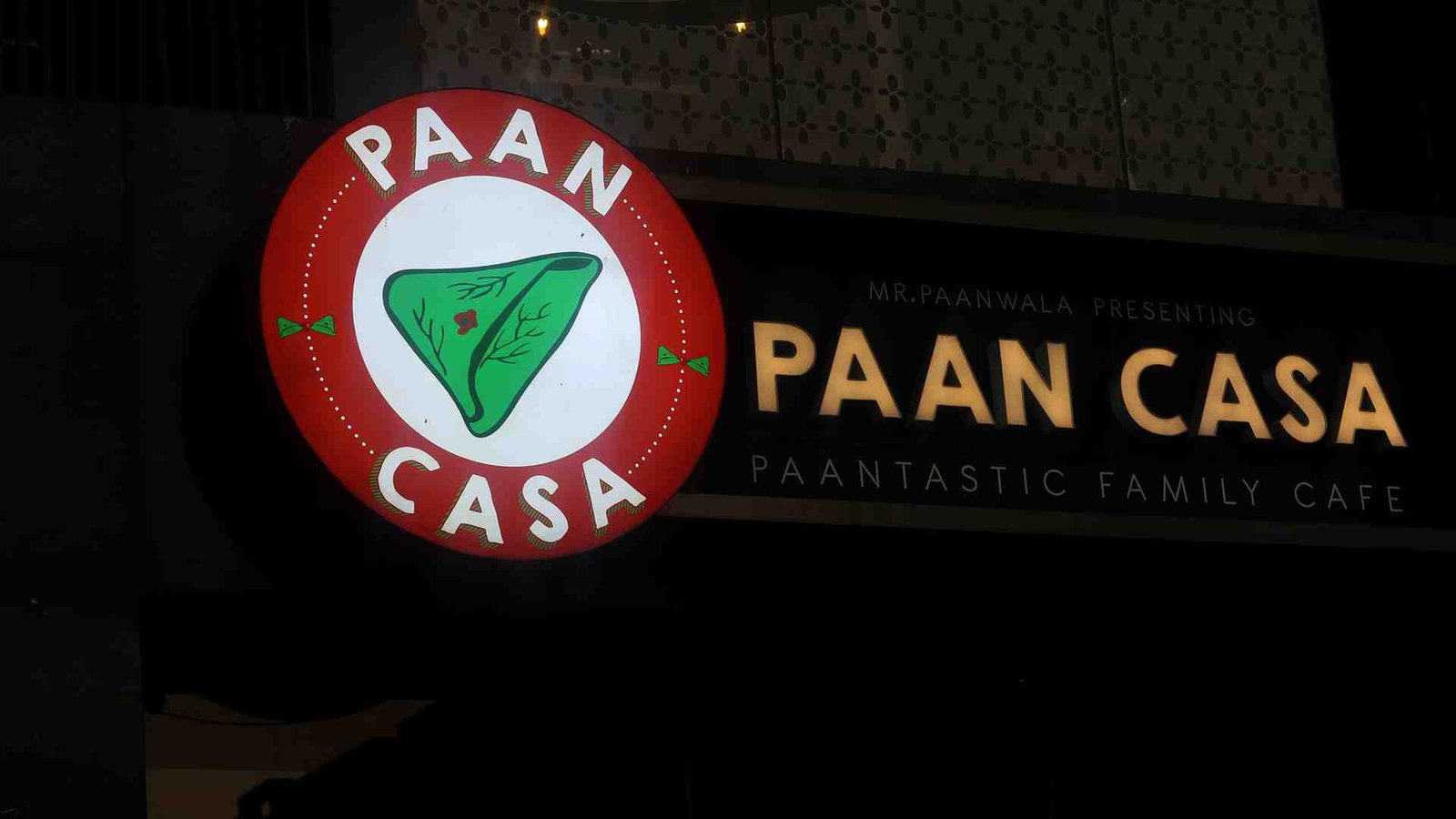
Paan Casa continues to embrace this approach by creating welcoming café environments, encouraging community interaction, and delivering an experience that combines tradition, hospitality, and social connection for customers across every neighbourhood it serves.