India’s quick-service food market has evolved significantly over the last decade. Consumers today are not only looking for convenience but also expecting cleaner environments, better presentation, and a more comfortable dining experience. According to Statista, the quick-service restaurant segment in India continues to expand steadily due to rising urbanization, growing disposable income, and increased demand for fast yet experience-oriented food options.
Despite this growth, many traditional refreshment categories still operate in highly unorganized formats. This gap has created opportunities for businesses that can modernize traditional offerings while maintaining cultural familiarity. The rise of the clean paan cafe directly addresses this demand by combining hygiene, convenience, and customer comfort within a structured café environment.
Paan has always been a part of Indian food culture, particularly as an after-meal refreshment or social tradition. However, traditional paan stalls often lacked standardized hygiene practices, organized seating, and consistent customer experiences. Modern consumers, especially younger urban audiences, increasingly prefer businesses that align with current expectations around cleanliness and presentation.
This shift has encouraged the emergence of the luxury paan cafe, where customers can enjoy traditional flavors in a professionally managed setting. Organized counters, cleaner preparation methods, and modern interiors help transform paan consumption from a quick roadside purchase into a more refined social experience.
Food safety awareness has become one of the strongest drivers of customer behavior in the hospitality sector. Studies consistently show that customers are more likely to revisit businesses where visible cleanliness and preparation standards are maintained.
A professionally managed clean paan cafe creates trust by focusing on organized ingredient storage, hygienic preparation practices, and comfortable customer spaces. This operational structure helps businesses appeal to customers who previously avoided traditional paan stalls because of hygiene concerns. The success of the luxury paan cafe model largely comes from its ability to bridge this trust gap.
Modern café culture has influenced how consumers interact with food businesses. Customers increasingly choose destinations where they can spend a few minutes relaxing, socializing, or taking short breaks during their day. This demand has created room for premium café concepts centered around traditional Indian products.
The luxury paan cafe fits naturally into this trend because it combines cultural familiarity with modern hospitality standards. Instead of functioning only as a refreshment counter, these spaces often become lifestyle-oriented destinations that encourage repeat visits and stronger customer loyalty.
As customer demand for organized refreshment spaces grows, many entrepreneurs are beginning to own a franchise within the café and quick-service industry. Franchise models reduce some of the challenges associated with starting an independent business by offering operational systems, brand support, and established customer recognition.
The structured operations of a clean paan cafe make it easier to maintain quality standards across multiple locations. This consistency is especially important in the hospitality industry, where customer trust directly influences long-term success.
India’s quick-serve refreshment market continues to evolve as consumers increasingly seek convenience, hygiene, and modern customer experiences. Businesses that successfully modernize traditional products while maintaining cultural authenticity are well-positioned to meet these changing expectations.
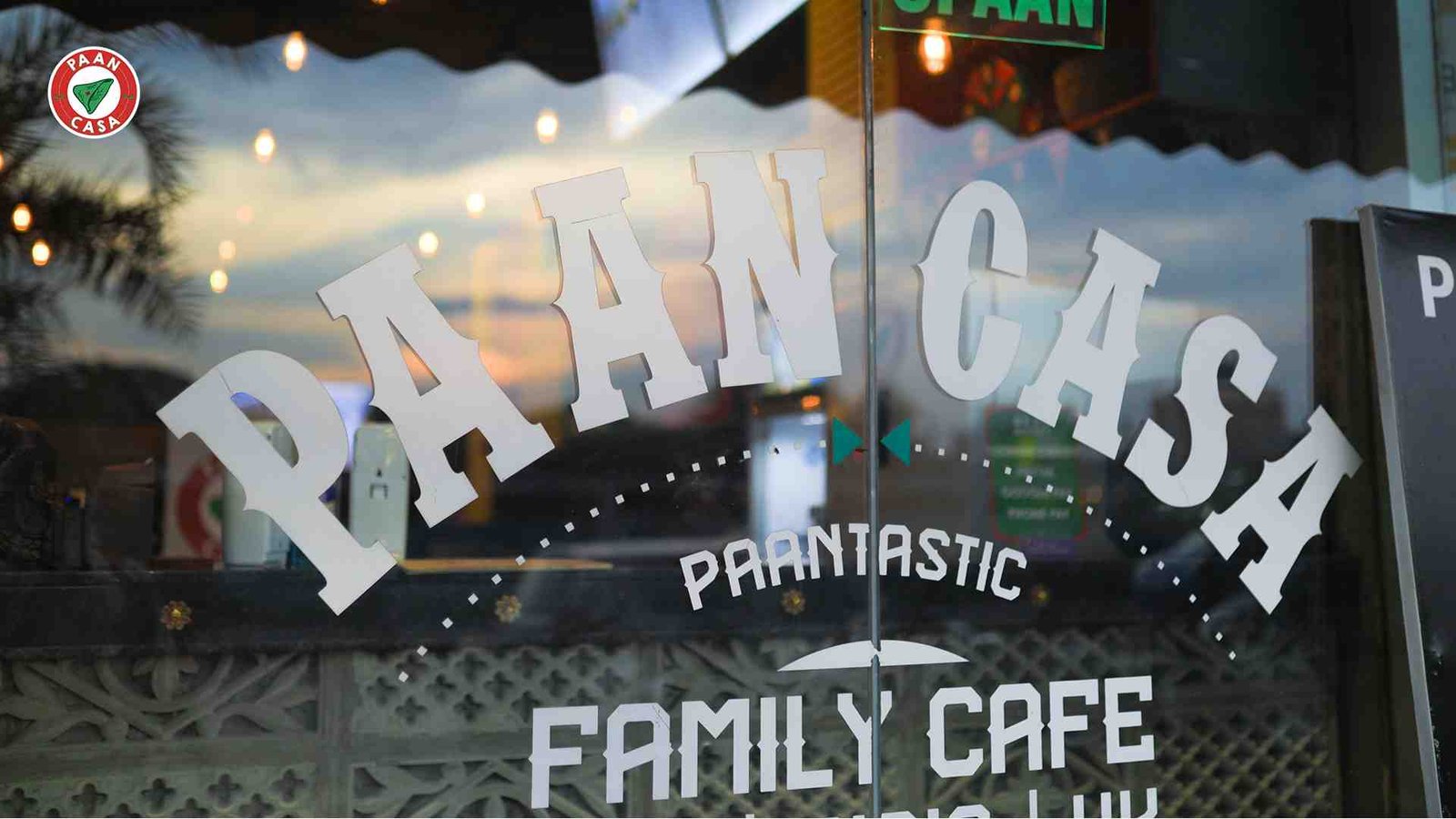
Paan Casa continues to contribute to this transformation by creating organized café spaces, maintaining high preparation standards, and offering customers a modern paan experience that combines tradition with the comfort and professionalism of a contemporary café environment.