What’s so different about a modern paan caf from a traditional paan shop? Paan has been an essential part of Indian culture for a long time. It was mostly sold through small roadside stalls or vendors in the neighborhood. Such shops indeed played an important role in preserving the culture of paan, but the expectations of customers have changed quite a bit over time.
Nowadays, people want clean surroundings, to see how their food is being made, and a cozy place to enjoy their favorite meal. As a result, Paan Cafe is the new concept that merges tradition with modern-day standards. Instead of serving quickly only, modern establishments pay more attention to hygiene, customer’s experience, and quality that is always getting better.
An obvious difference between traditional paan shops and a modern setup would be the latter’s greater emphasis on sanitation. According to food safety studies, it is indeed a fact that customers tend to trust and visit again the stores that display their cleanliness and standardized preparation processes in a clear way.
A hygienic paan shop usually systematically conducts its operations: for example, the ingredients must be stored properly, during preparation, one has to wear gloves or use tools, and also at the display counters, everything has to be very clean. These things, on the one hand, minimize the risk of contamination and, on the other hand, increase the trust of the customers. On the contrary, many traditional setups depend on manual handling and open-air preparation, which in some cases do not comply with the current hygiene standards.
Usually, traditional paan shops are set up more for buying per piece, hardly having any facilities for families to sit and spend time there. On the other hand, a family-friendly paan cafe is made to create such a comfortable environment that even grandparents, parents, and kids can come and hang out together. Making grouping together, lighting, and clear paan menus all add up to an enjoyable and easy experience.
Another thing that the Paan Cafe model does is give a voice to those who are usually put aside, as it allows families, young people, and even first-timers to comfortably enjoy paan in a casual and safe ambiance. These sorts of places make it possible to shift paan from just a quick piece of the street item to a shared social experience.
Freshness and taste have always been the top priority for any food business. Today, to ensure customer satisfaction, the most modern businesses focus on the sourcing and handling of ingredients as a major component of flavor and quality. Using quality paan ingredients, you can ensure one-time production flows that taste the same every time.
A hygienic and well-established paan shop is a step ahead, working with trustworthy suppliers and providing proper storage conditions that allow every platter to meet the set quality level. This level of consistency plays a big role in establishing customers’ trust and loyalty over time.
The shift from paan vendors on the street to well-known shops is mirroring the change in customer preferences and food safety awareness on a higher level. Today’s Paan Cafe concept blends the cultural heritage with better hygiene, comfort, and quality, which makes paan crowd-friendly.
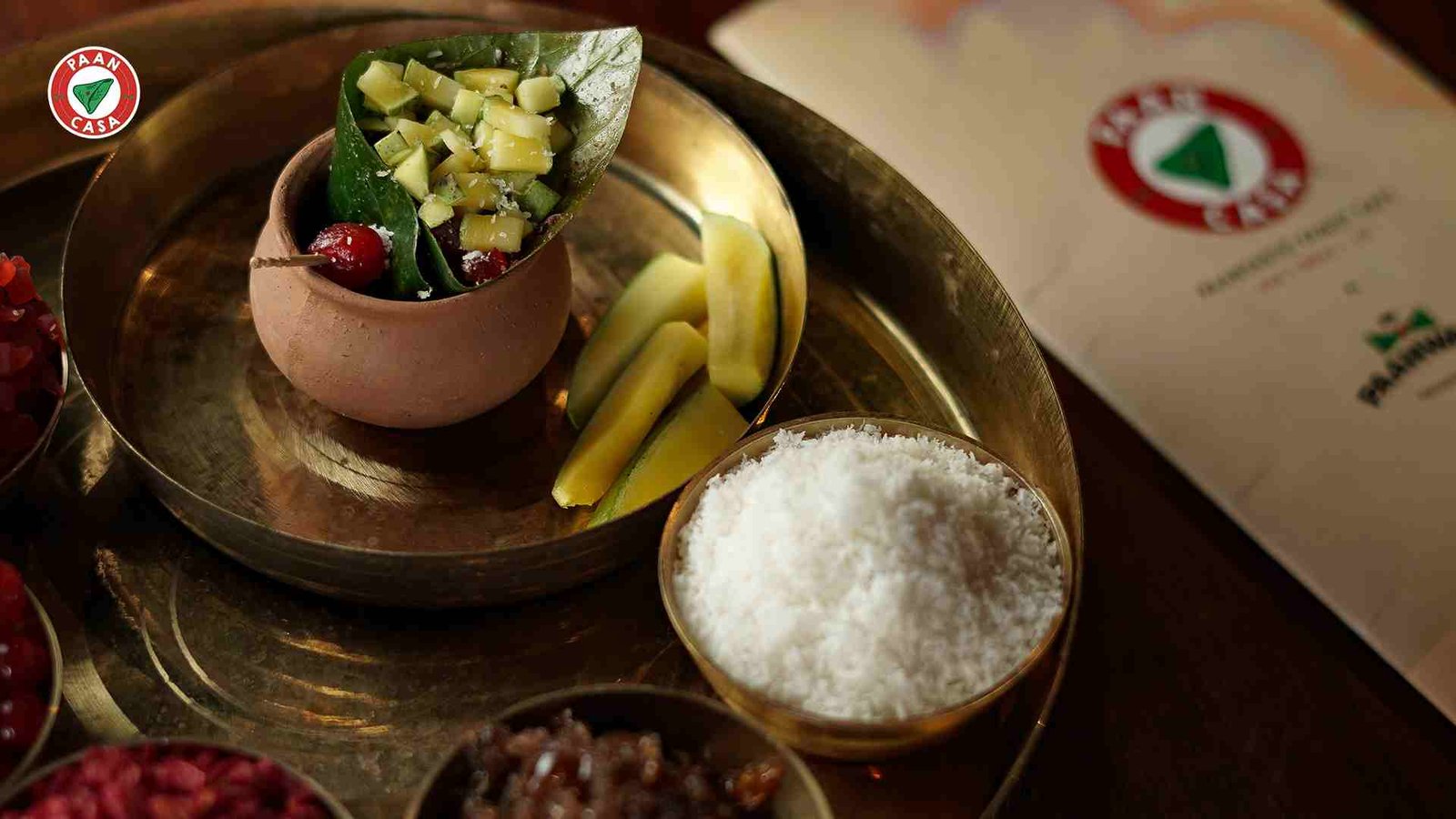
Paan Casa is the face of this change as it presents a family-friendly paan cafe atmosphere, accompanied by hygienic preparation practices and ingredients that are handpicked. The main point is to provide a safe, enjoyable, and real paan experience at the same time, honoring the paan traditions that made it a favorite part of everyday life.